 Free Domestic Shipping Over $50
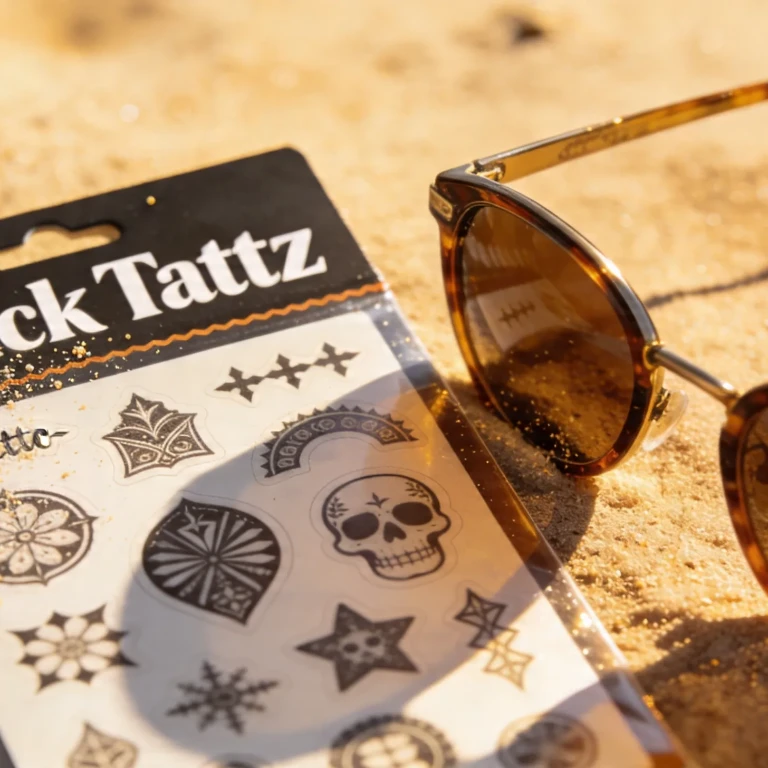

The Hook, The Short Answer, and The Trend/Science Intro
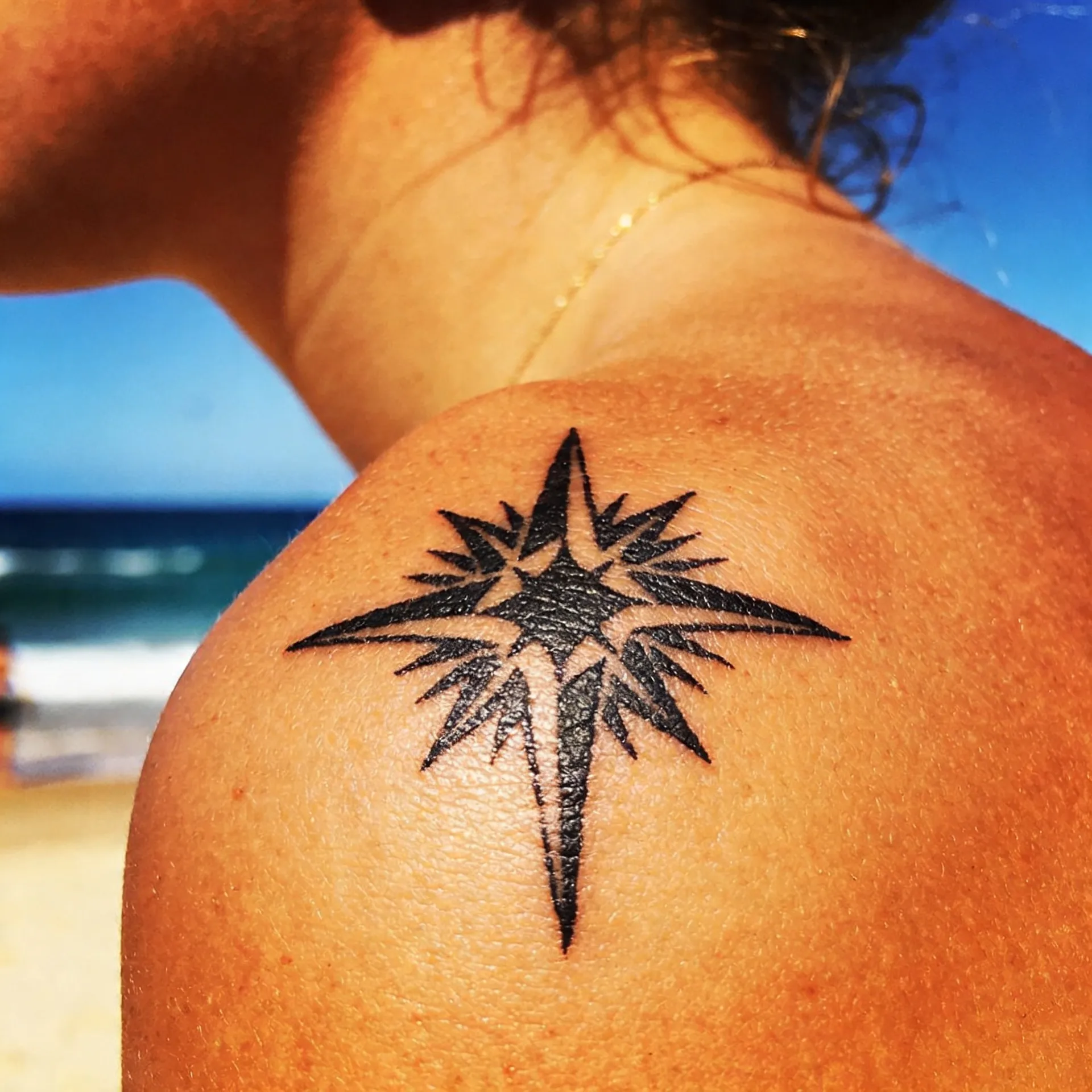
It is 2026. The UV index at the Gold Coast surf is currently breaking records. You have just applied a killer sleeve of custom temporary tattoos. You walk out into the Bondi heat. You slap on a handful of heavy SPF 50. Thirty seconds later, your crisp black ink looks like a melted oil slick. Welcome to the Australian summer. We see this tragedy every single December. People spend good money on premium body art, only to destroy it before they even hit the sand.
Does sunscreen ruin fake tattoos? Yes. It absolutely destroys them. The oils and alcohols in most sunblocks act as industrial solvents on temporary tattoo ink. Friction kills ink. Rubbing heavy lotion directly over a fresh tattoo guarantees it will wipe completely off. I have run Quick Tattz out of Brisbane for years. We formulate our products to survive the roughest summer festival mosh pits at Splendour in the Grass. But chemistry is chemistry. If you apply sunscreen over temporary tattoo designs, you are signing their death warrant. You want to protect your skin. You also want your body art to survive the weekend. It requires serious strategy.
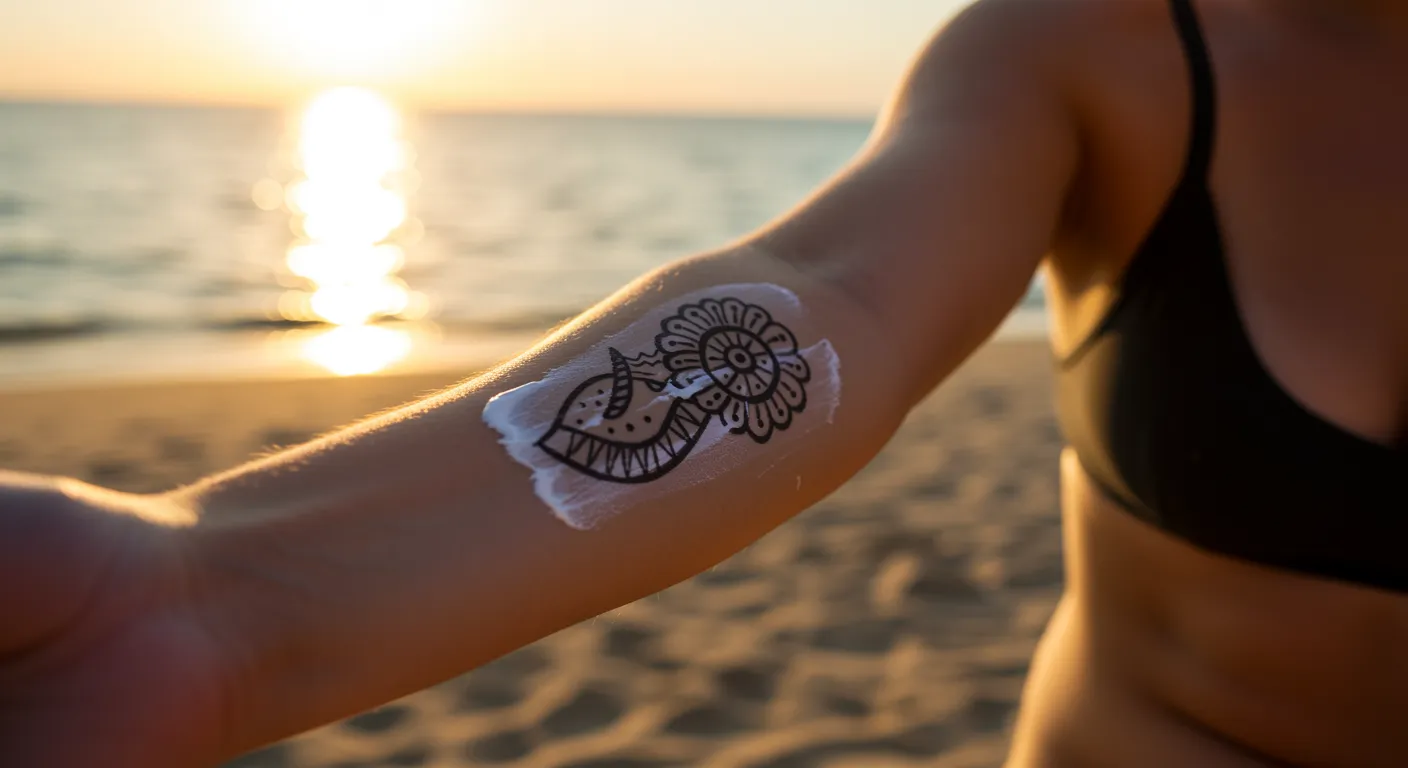
Think of a temporary tattoo like a fragile sticker on a wet windshield. Sunscreen is the wiper blade made of thick grease. When the two collide, the sticker stands no chance. People assume that because these tattoos are waterproof, they are bulletproof. That is a fundamental misunderstanding of the materials. Water beads off the acrylic. But the emollients found in summer skincare sink in deeply. They chemically dismantle the adhesive layer. Whether you are dealing with a tan lines tattoo aesthetic or trying to protect your temporary piece during a massive outdoor gig, you cannot treat tattooed skin the same way you treat bare skin. Making your temporary tattoo last means understanding exactly what you are putting on top of it.
PART 2: The Deep Dive History Module & Core Advice

Think of modern tattoo adhesive as a microscopic spiderweb. It grips the top layer of your skin tightly. It flexes when you move. But it has a fatal weakness. Lipids. Back in the 90s, temporary tattoos were basically stiff plastic decals from cereal boxes. They cracked in five minutes. You applied them with a damp sponge and prayed they lasted until lunch. By 2026, the chemistry lab has evolved drastically. Manufacturers abandoned those rigid plastics. We now use advanced, ultra-flexible acrylic polymers. These modern polymers are heavily water-resistant. You can jump straight into the Gold Coast surf and the ink stays put. Water just beads off the surface. But here is the science behind the inevitable failure when you use sunscreen.
The evolution of sun protection in Australia has run parallel to this. In the past, people used thin, ineffective lotions. Now, heavily regulated ACCC standards and TGA rules mean our sunscreens are thick, resilient, and packed with heavy carrier oils. They are designed to stick to your skin through hell and high water. But those same oils are the natural enemy of temporary tattoo ink. Sunscreens rely on oil bases to spread UV filters evenly across your skin. When those oils hit the acrylic polymer of the temporary tattoo, they act as a potent solvent. The chemical bonds dissolve immediately. It is the exact same mechanism you exploit deliberately when you use baby oil to scrub off a mistake.
Add the alcohol found in aerosol spray sunscreens. Alcohol flashes off quickly. But while it is wet, it turns the adhesive back into a liquid state. Spray sunscreen over a fresh piece of body art, and you will watch it bleed down your arm instantly. So we arrive at the great summer contradiction. You need sun protection to prevent sun damage and skin cancer. But the exact chemical makeup of the protective barrier in SPF lotions causes the tattoo to fade more quickly. Even a high-quality mineral sunscreen, which uses physical blockers like zinc oxide, sits in a carrier cream. Those creams rapidly degrade the life of your temporary design. Friction kills ink. Period. When you rub the lotion in, the mechanical action combined with the oils shreds the design. We formulate Quick Tattz to be tough. They withstand sweat. They handle seawater. But they cannot survive a direct hit from oily summer skincare. You must understand this chemistry if you want your custom temporary tattoos to survive the weekend.
How to make temporary tattoos last longer in the sun requires precision. Follow these best practices.
Step 1: The Pre-Game Wipe.
Use rubbing alcohol on the skin before applying the tattoo. This strips away natural sebum and sweat. Make sure the skin is bone dry before the paper even touches your arm. This prevents the tattoo from sticking poorly. Careful application is your absolute first defense. If you apply your temporary art onto sweaty skin, it will peel in an hour.
Step 2: The Sunblock Doughnut.
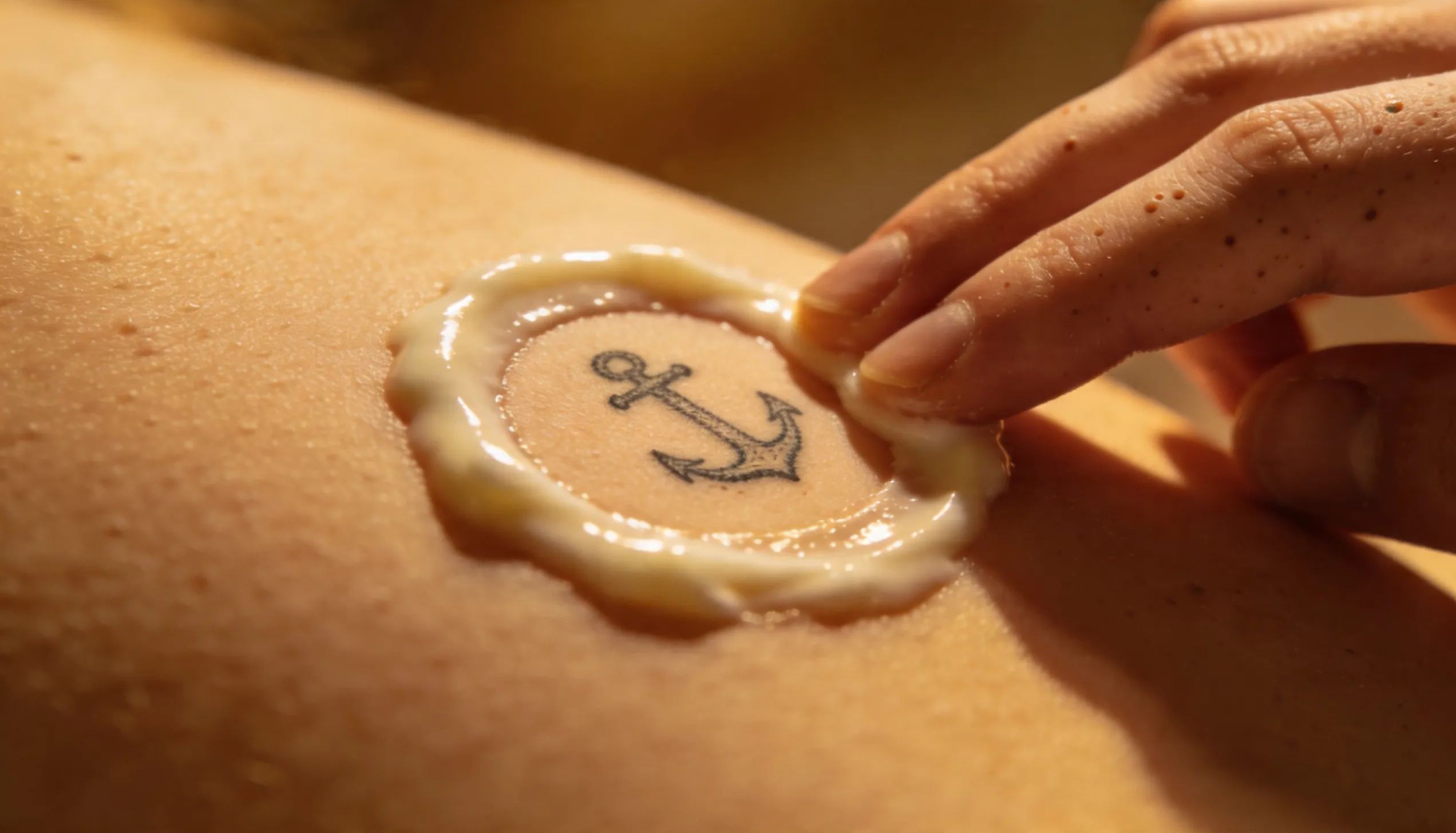
Keep your tattoo safe by employing evasive manoeuvres. Keep lotion entirely away from your tattoo. Apply temporary ink first. Let it fully set. Try our Fish Tattoos for a classic coastal look, or grab the Anchor Tattoos if you are hitting the boat. Then carefully trace your SPF 30 around the exact line of the image. Do not put sunscreen on a new design directly. You are essentially creating a border wall of protection.
Step 3: The Powder Shield.
Once the tattoo is fully healed (meaning the adhesive has fully dried and set into the skin), dust it lightly with baby powder. Some customers spray hairspray over the temporary tattoo. Think of hairspray as a clear coat of spray paint on a car. It creates a temporary shield against mild friction. But remember, it will not stop heavy oils.
Step 4: Smart Washing.
At the end of the day, do not scrub your arm. Use a very mild soap to gently pat the area. Heavy soap and water to remove dirt will also strip the delicate edges of the ink. Pat the area dry with a towel. Never rub against the tattoo. Proper tattoo care dictates gentle handling at all times.
PART 3: The Mega-FAQ Module & Essential Details
Frequently Asked Questions
- Does putting sunscreen on a new tattoo cause the tattoo to fade more quickly?
Yes, absolutely. The carrier oils and alcohols in most lotions act as a chemical solvent against the adhesive. When you put sunscreen on a new design, it breaks the molecular bonds instantly. You will watch your crisp body art turn into a blurry mess within minutes. - How can I ensure your temporary tattoo lasts during a full day of uv exposure?
You need to employ targeted sun protection. You need high spf to keep your skin safe, but keep the thick lotions entirely away from your tattoo by applying them carefully around the edges. For the tattooed skin itself, seek shade or rely on physical barriers like lightweight clothing. This prevents the tattoo from soaking up destructive oils while managing your exposure to sunlight. - What kind of sunscreen is best to keep your tattoo intact?
Honestly, none of them are completely safe to apply directly over the design. However, an oil-free, alcohol-free mineral sunscreen applied with an extremely light touch offers the best chance of survival. Always ensure careful application, dabbing gently rather than trying to aggressively rub against the tattoo. - Will prolonged exposure to direct sun damage your skin through the tattoo?
Yes. A temporary tattoo does not contain active UV filters to block uva and uvb rays. Your skin can still burn directly underneath the ink, which often leads to an unwanted tan lines tattoo when the design eventually flakes off. You must protect your skin comprehensively, even the areas covered by temporary ink. - How does summer heat affect a fresh tattoo versus a healed tattoo?
Temporary tattoos do not actually heal like real ink, but they do set. A fresh tattoo applied five minutes ago is highly vulnerable to sweat and heat. A fully healed or fully set temporary design that has bonded for 24 hours handles the Bondi heat significantly better. - Can I use a thin layer of petroleum jelly to create a protective barrier?
That is a terrible idea. Think of petroleum jelly as industrial grease. It will dissolve the tattoo ink faster than almost anything else. If you want to make temporary tattoos last longer, you must keep all petroleum-based products completely off the area because any contact will cause immediate smearing. - What are the best practices for tattoo aftercare to make your temporary design long-lasting?
Start by keeping the area free of sweat and friction immediately after temporary tattoos after application. Avoid hot showers for the first day and gently pat the area dry instead of rubbing it. If the area gets dirty, clean it by lightly dabbing with mild soap and water rather than scrubbing. These small adjustments drastically increase the longevity of your temporary art. - Why is it that tattoos will fade differently on sensitive skin compared to normal healed skin?
Yes, sensitive skin often produces excess natural oils or reacts to the adhesive, which can shorten the longevity of your temporary piece. Furthermore, if you apply heavy lotions to soothe irritation, you accelerate the degradation of the tattoo. It is crucial to monitor how your specific skin type handles both the adhesive and the types of sunscreen you use. Taking extra care during tattoo application ensures the bond holds properly despite the oils.


Customer Experiences on the Frontline
| Reviewer | Product | Verdict |
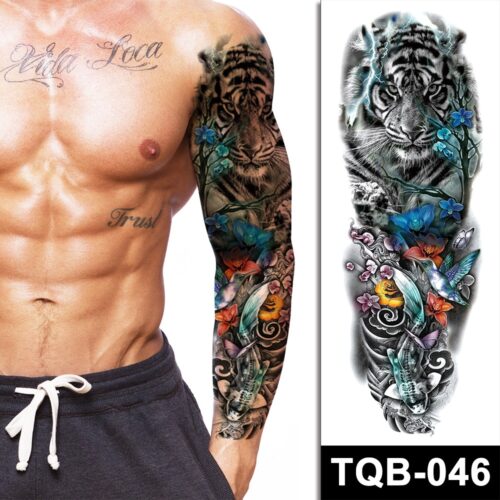
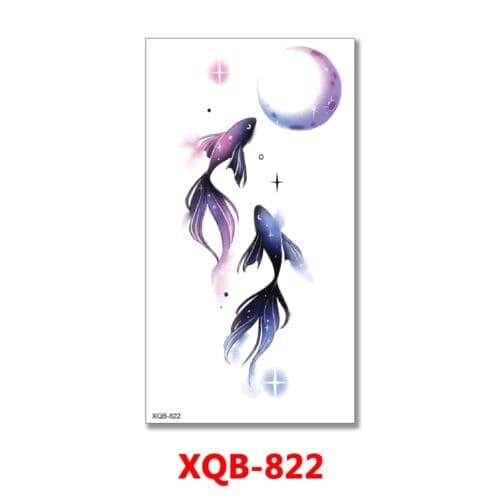
| “Bazza from Brissy” | Fish Tattoos | “Survived the Gold Coast surf. Kept sunscreen strictly on the edges. 10/10.” |
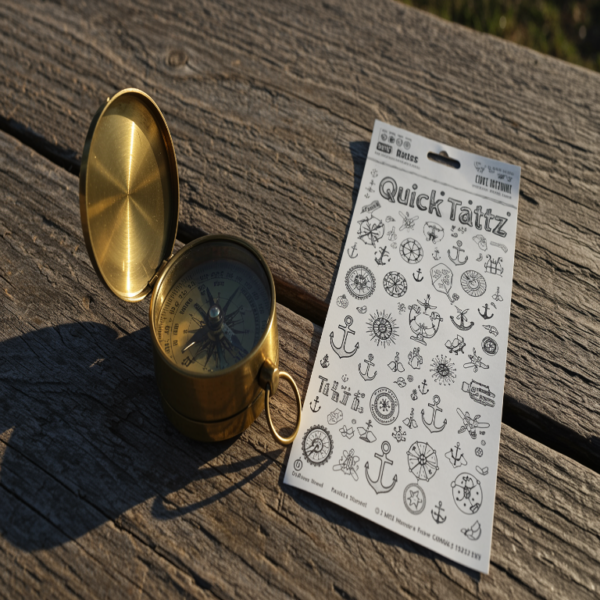
| “Shazza from Sydney” | Anchor Tattoos | “Melted instantly when I sprayed aerosol SPF directly on it. My fault. Friction kills ink.” |
| “Damo from Darwin” | Custom Sleeve | “Did the baby powder trick. Lasted three days in the Bondi heat.” |
A Word on Safety Standards
We abide strictly by ACCC standards for cosmetic safety. All our inks pass rigorous testing. But remember, safety testing does not make the ink indestructible against heavy UV filters. Protect your skin responsibly. Follow the rules. Keep the oils away from the acrylic.
Travel Tattoos: Marking Your Journey Without the Needle
Stocking Stuffers Under $20: The "Anti-Landfill" Guide (2026 Edition)