 Free Domestic Shipping Over $50
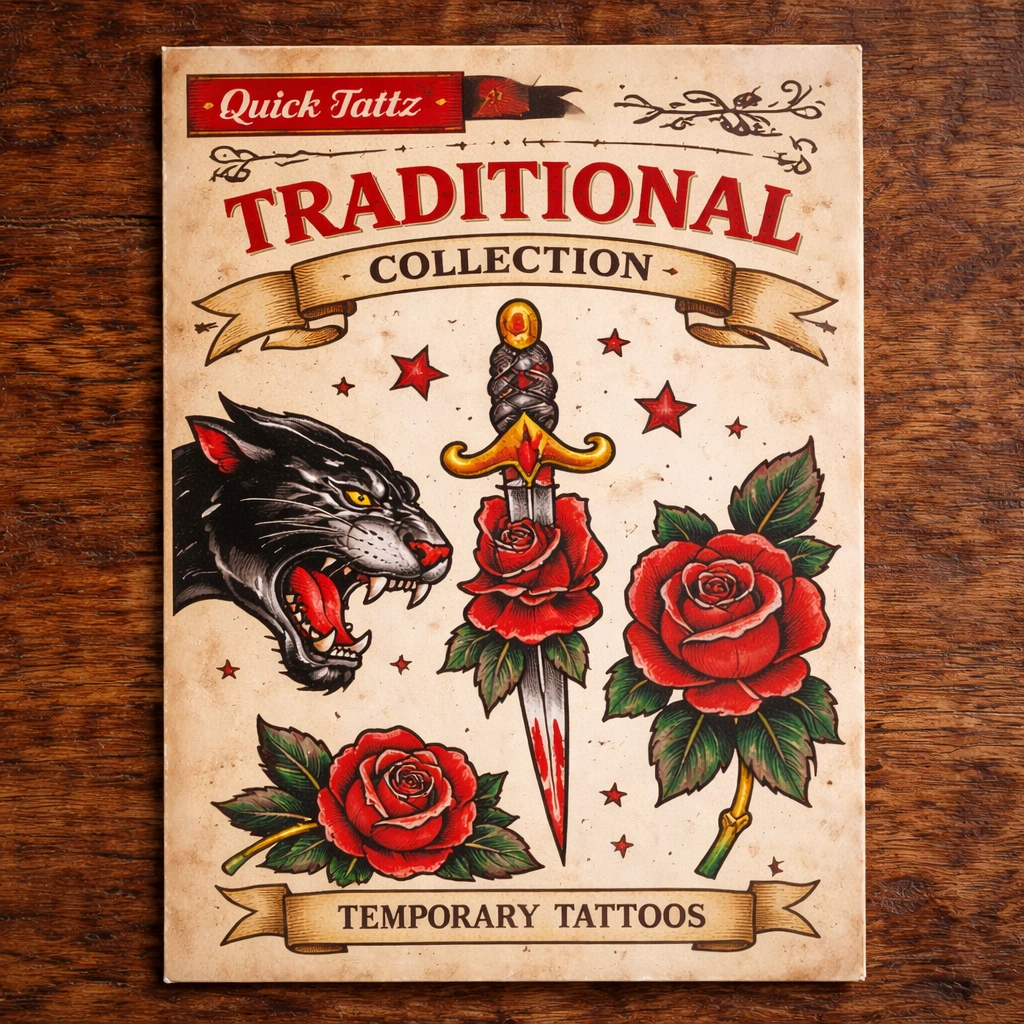

The Short Answer:
It is the battle of the ages. On one side, American Traditional: Bold black outlines, heavy shading, designed to look good in 50 years. On the other side, Fine Line: Delicate, single-needle elegance, popularized by Instagram models. The choice isn’t just aesthetic. It’s practical. Fine line tattoo style offers subtlety but fades fast. Traditional offers longevity but dominates your skin. Trying to decide between delicate minimalism or old-school cool? This tattoo style guide breaks down the pros, the cons, and the painful truth about aging.
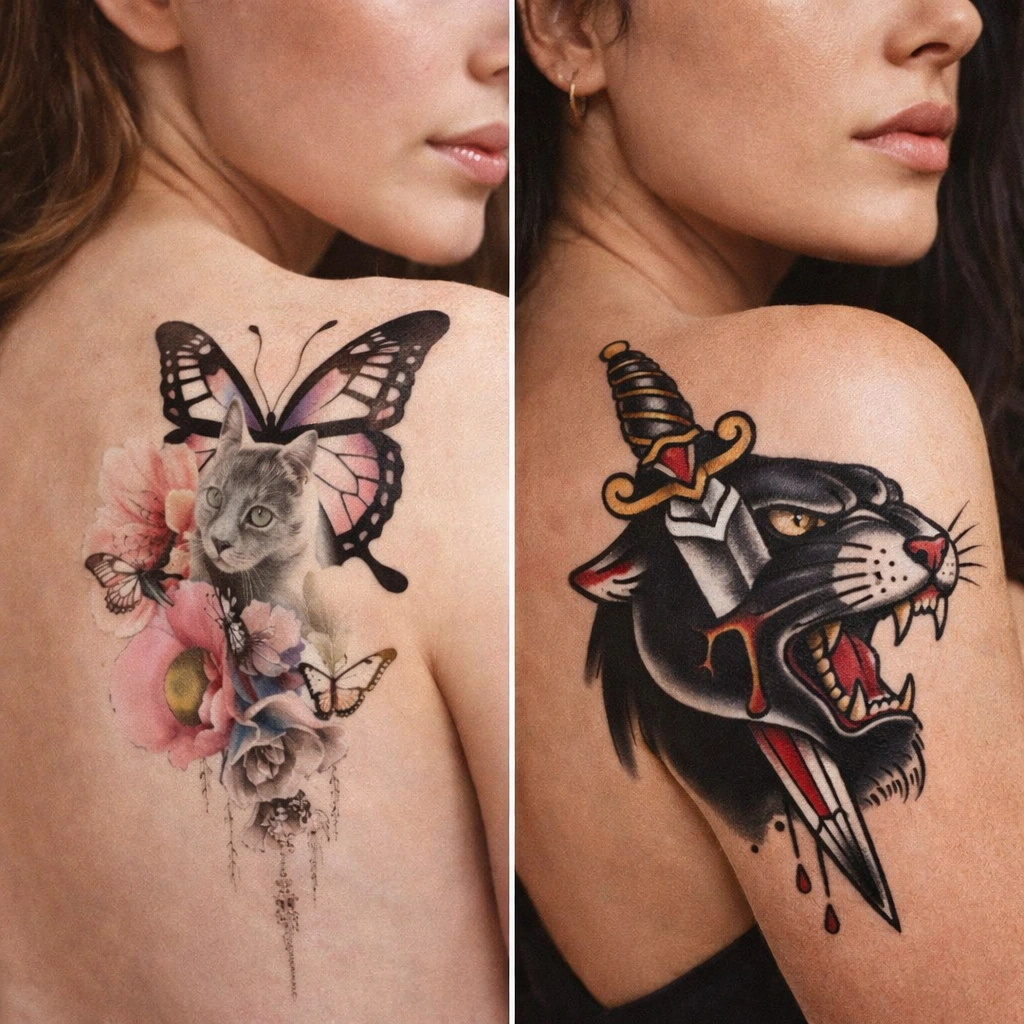
The Contender: Fine Line (The “Instagram” Tattoo)\
Walk into any café in Melbourne right now. You will see it. Tiny snakes. Micro-flowers. Script so thin it looks like it was written with a ballpoint pen. This is the era of “Micro-Realism.”
The Vibe:
Think of Fine Line as jewelry. It whispers. It doesn’t shout. It allows for incredible detail in small spaces, like the side of a finger or behind the ear. It appeals to first-timers who want the art without the “heavy” commitment of a black sleeve.
The Technique:
The artist uses a single needle (1RL). They sketch on the skin like a pencil on paper. There is almost no “shading” in the traditional sense; it is all delicate line work and dot work.
- The Pain: Low. It hurts less because the needle grouping is smaller.
- The Healing: Fast. There is less trauma to the skin surface.
The Problem (The “Fade” Factor)
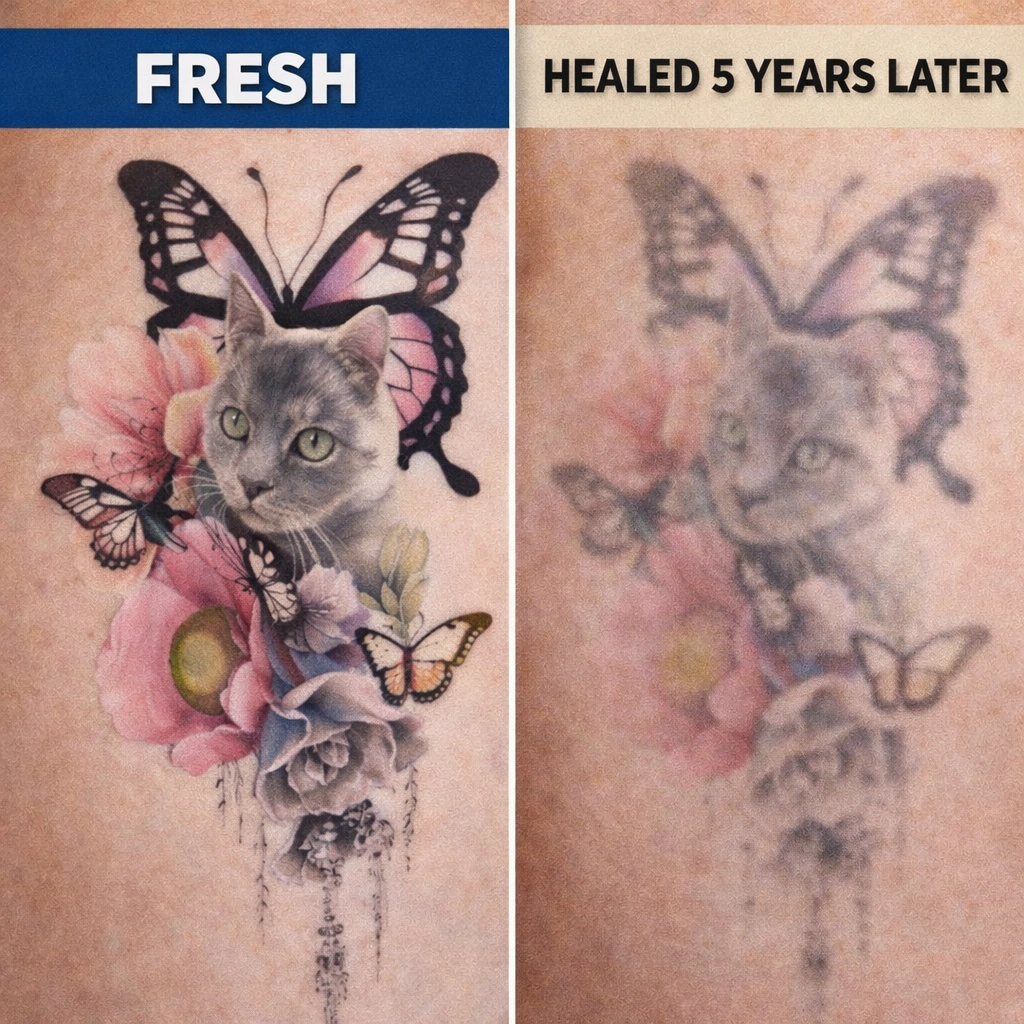
Here is the catch. Ink moves. Over time, your immune system attacks the ink particles, causing them to spread under the skin. A bold line spreads and still looks bold. A hairline spread turns into a blur.
A fine line tattoo looks crisp for 2 years. In 10 years? It often looks like a bruise. Unless you are willing to get touch-ups every 3 years, that delicate rose might turn into a grey blob.
The Champion: American Traditional (Old School)
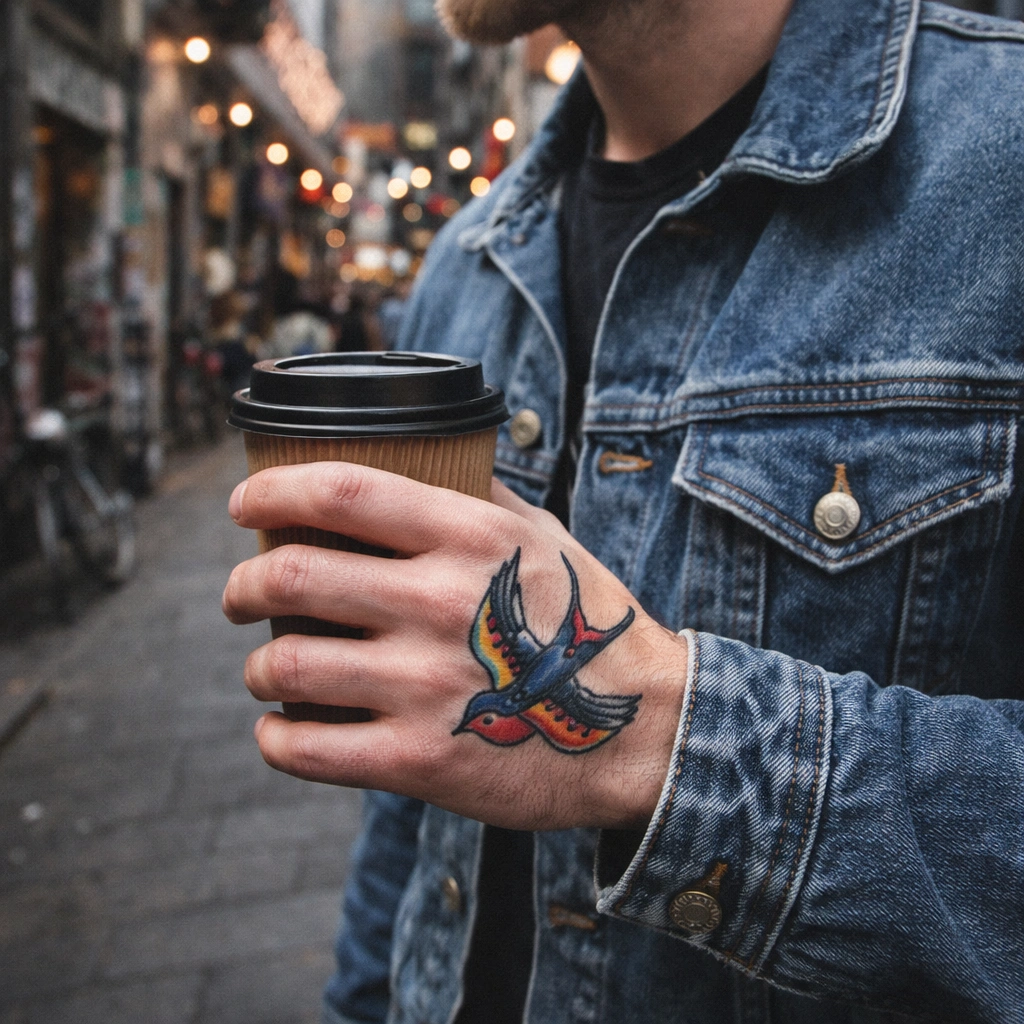
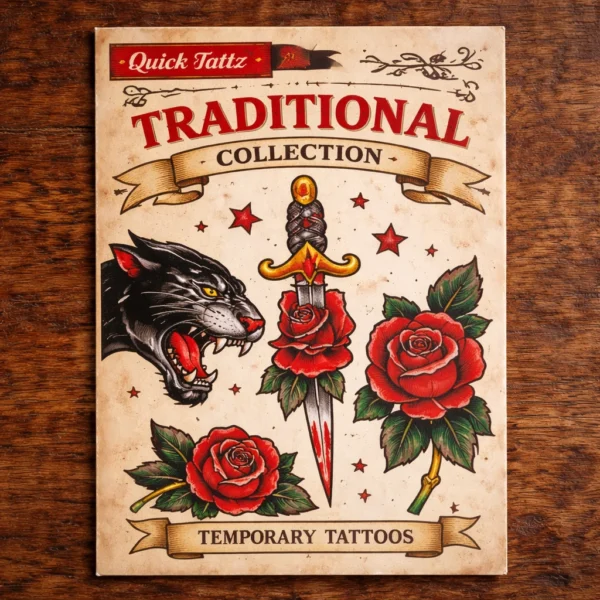
“Bold Will Hold.” That is the motto of every old-school tattooer. Think Sailor Jerry. Think Ed Hardy. Panthers. Eagles. Daggers. Roses.
The Vibe:
It screams. It is unapologetic. It reads clearly from across the street. This style is for collectors, rebels, and people who want their ink to look timeless, not trendy.
The Technique:
The artist uses a heavy liner (7RL or bigger). They pack solid color. They use “whip shading” to create high contrast.
- The Pain: High. The artist has to hammer that solid black into the skin to make it stay.
- The Aging: Bulletproof. An American Traditional tattoo looks exactly the same at age 20 as it does at age 60, just a little softer. It doesn’t blur into nothingness. It ages like leather.
A Brief History of Ink: Why Styles Change
(Expansion Section)
To understand why we have these two camps, you have to look at the history.
1940s-1980s: The Sailor Era.
Tattoos were for sailors, bikers, and outlaws. The technology was crude. Needles were thick. Ink was heavy. You needed a design that could be applied fast and readable through a haze of cigarette smoke in a Honolulu bar. That birthed American Traditional. Simple colors (Red, Green, Yellow, Black). Bold outlines. Zero nuance.
2010s-Present: The Digital Era.
Technology improved. Rotary machines became gentle. Needles became microscopic. Suddenly, artists could draw like architects. Social media drove the shift. A Fine Line tattoo looks stunning on an iPhone screen. It is high-resolution content. But unlike the Sailor tattoos, it wasn’t built to survive a lifetime of sun and skin stretching. It was built for the photo.
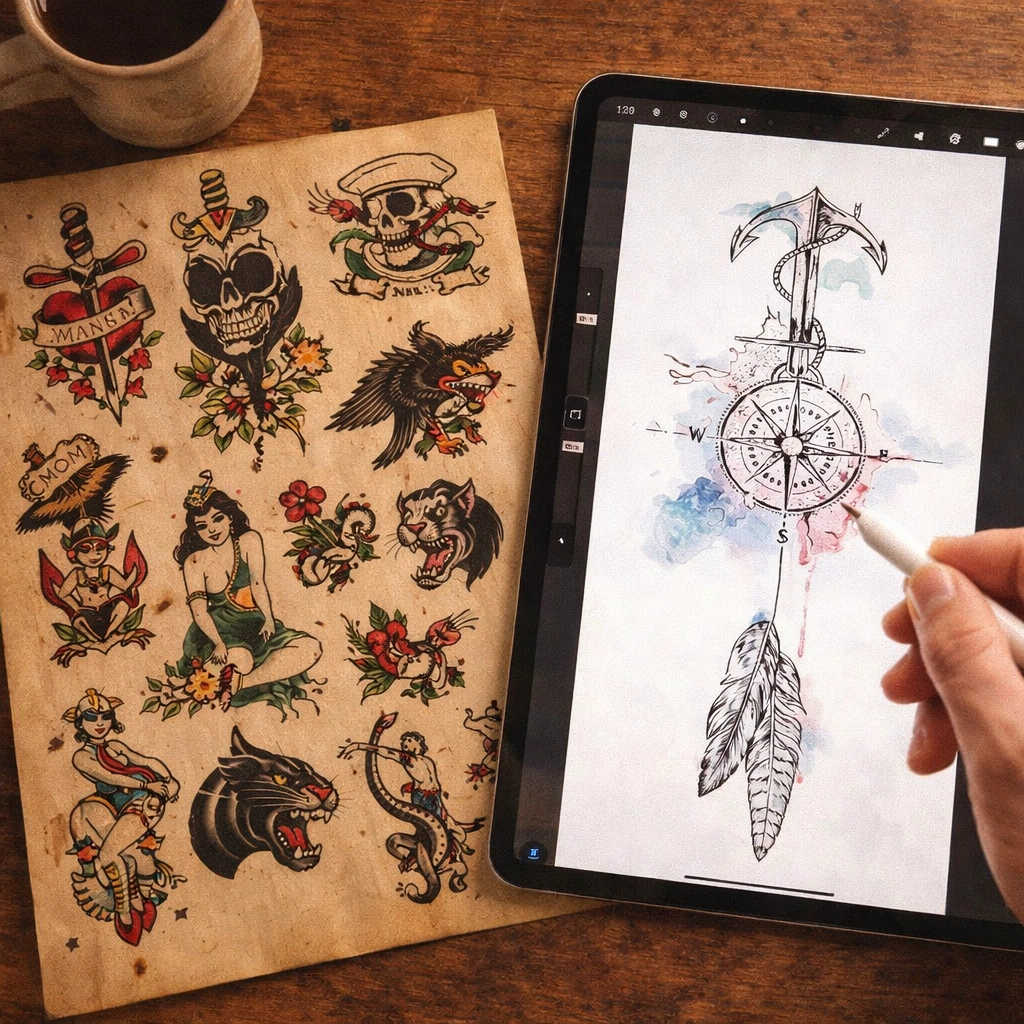
The “Aging” Reality: Ink Spread Explained
This is the science nobody talks about during the appointment. Your skin is a liquid environment. It isn’t paper. Imagine drawing with a sharpie on a wet sponge. The line starts crisp. Over an hour, it bleeds slightly. That is your skin over a decade.
- Traditional: The lines are thick boundaries. They contain the color. Even if they spread 1mm, the design is still readable.
- Fine Line: The lines are the design. If a 0.5mm line spreads by 0.5mm, the design has doubled in width. It loses definition.
The “Blob” Risk
If you get a micro-portrait of your dog on your finger (Fine Line), in 5 years, it will look like a smudge of dirt. If you get a traditional wolf head on your bicep, in 5 years, it will look like a cool vintage wolf head.
The Lesson: If you go small, go simple. If you go detailed, go big.
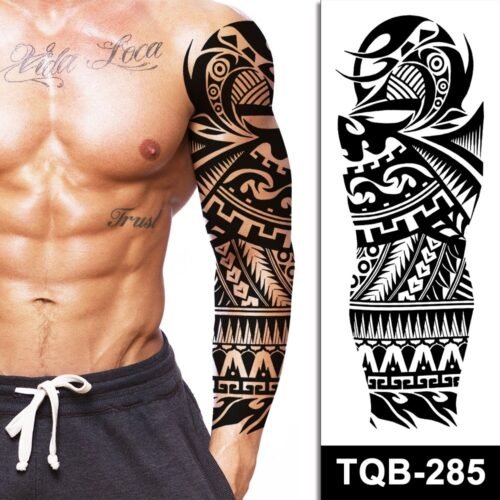

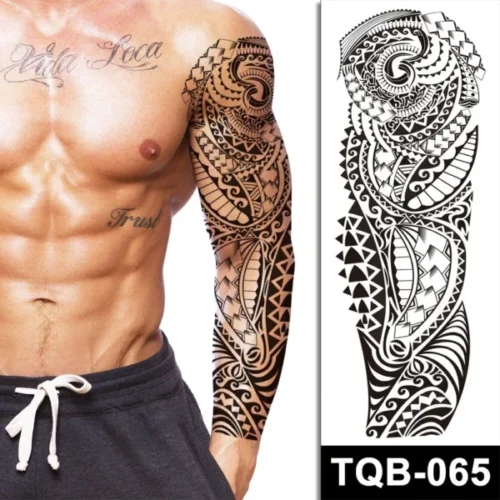
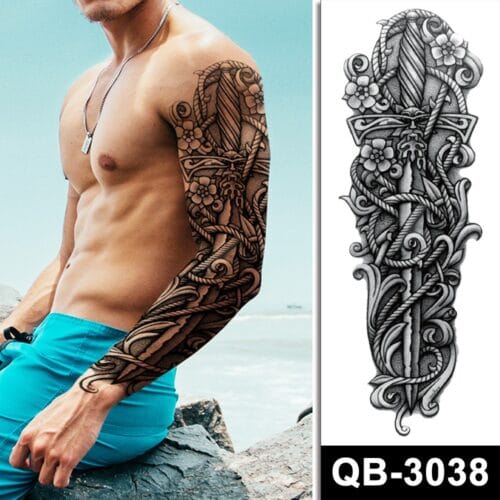
How to Test Your Tribe
You don’t know what you are until you wear it. Maybe you think you are a “Fine Line” person because you see it on TikTok. But then you put a Realism Tattoo on your arm and realize it feels too empty. Maybe you think Traditional is “too aggressive.” But then you wear a Traditional Tattoo panther and feel powerful.
The Quick Tattz Experiment:
- Week 1: Wear a Geometric Tattoo (Fine/Thin lines). Look in the mirror. Do you feel elegant? Or boring?
- Week 2: Wear a Traditional Tattoo (Bold/Thick lines). Look in the mirror. Do you feel tough? Or cluttered?
- The Verdict: Your gut will tell you which one feels like “you.”
Frequently Asked Questions (Style Edition)
We get these questions in our DMs constantly. Here is the truth about picking a style.
- “Does Fine Line actually fade completely?”
No. It doesn’t vanish. It blurs. Think of an old receipt left in the sun. The text is still there, but you can’t read the numbers. That is a fine line tattoo after 10 years without touch-ups. - “Does Traditional hurt more?”
Yes. Physics dictates this. A 1RL needle (Fine Line) pierces a tiny surface area. A 9RL needle (Traditional) pierces 9 times the surface area per hit. Plus, traditional shading involves “packing” color, which means going over the same spot multiple times. It is a grind. - “Can I mix styles?”
Yes, but follow the “Body Part Rule.” Don’t put a wispy floral piece right next to a heavy black panther on the same forearm. It creates visual confusion. Keep your left arm Traditional and your right arm Fine Line if you want both. Or separate them by top/bottom. - “Which style is better for dark skin?”
Bold Traditional. Fine lines rely on high contrast with the skin tone. If you have melanin-rich skin, bold lines and heavy blackwork read much clearer and age better than delicate grey wash. - “Is ‘Micro-Realism’ just a fad?”
Probably. Like the “Watercolor” trend of 2015, we predict Micro-Realism will fade (literally and culturally). American Traditional has survived since 1920. It isn’t going anywhere.
From The Community: The Regret Switch
We asked customers who switched styles why they did it.
| Customer | The Switch | The Reason |
| Jason (28) | Fine Line → Traditional | “My fine line lion faded in 2 years. I wanted something that actually lasts.” |
| Mia (24) | Traditional → Fine Line | “I got a big heavy rose on my shoulder. It felt too masculine. I’m removing it for delicate flowers.” |
| Sam (31) | Mixed → Cohesive | “I had both. It looked messy. I’m blacking out the fine line stuff to make it all bold.” |
Safety & Compliance
Whether the line is thin or thick, the ink must be safe.
Supplier documentation includes CE, ASTM, MSDS, RoHS, REACH/SVHC, CPSIA/EN71, CPNP/SCNP, ISO9001 and FDA-related compliance information.
Final Pro Tip
Don’t let Instagram dictate your skin. Fine line tattoos look amazing fresh and under studio lighting. That is what you see online. Traditional tattoos look amazing healed and from across the bar. That is what you see in real life. Decide if you are getting the tattoo for the photo, or for the lifestyle.
Don’t risk the laser. Test drive your aesthetic. Try the delicate Geometric Tattoos or the bold Traditional Tattoos.





Matching Tattoos: Cute Ideas for Couples & Besties (That Aren't Cringe)
Fine Line vs. Bold Traditional: Which Style Suits You?
Y2K Aesthetic: Why The Tramp Stamp is Back